
Caregiver Burnout: Warning Signs and When to Ask for Help
Caring for a loved one is rewarding and exhausting. Learn the warning signs of caregiver burnout and why asking for help is part of good care, not a failure.
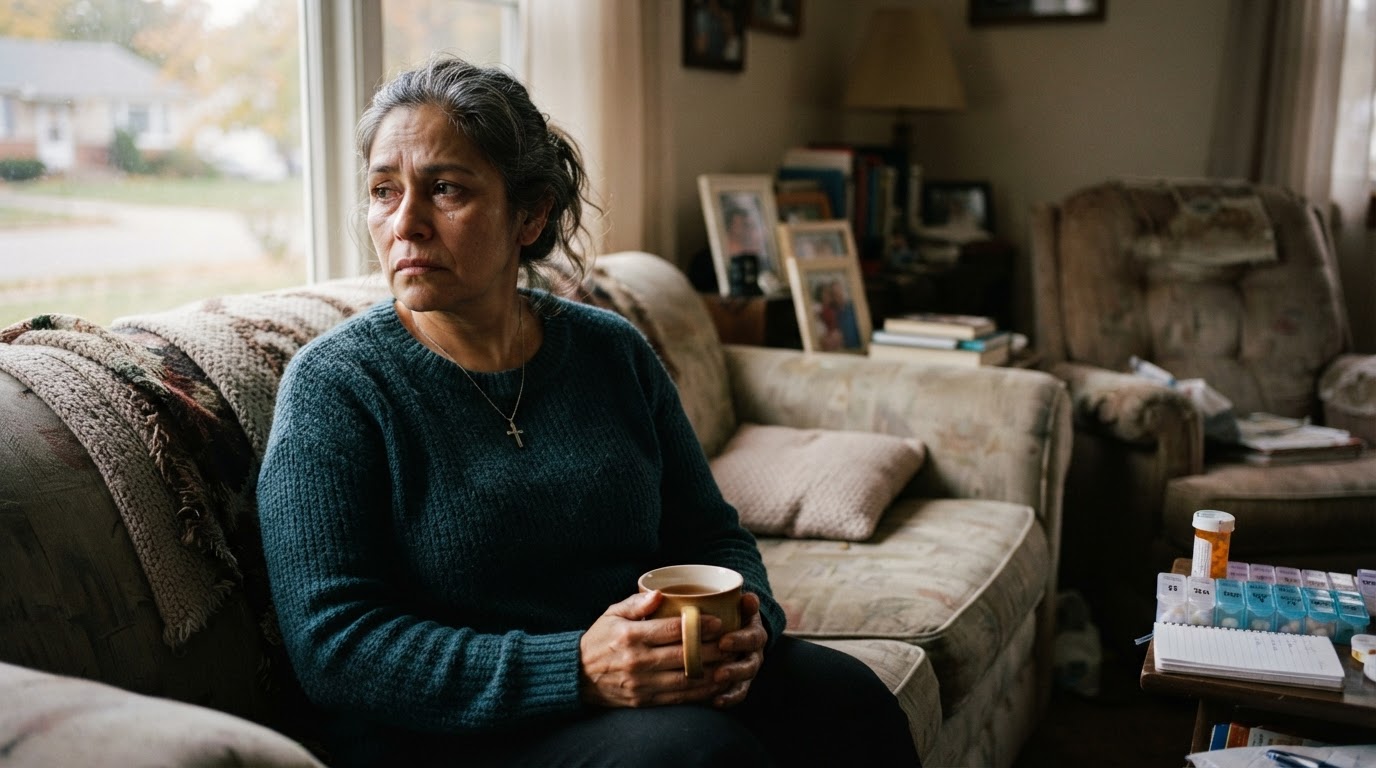
Family caregivers are the backbone of home care. You bring love, continuity, and a deep knowledge of the person you care for. But caregiving is also one of the most demanding unpaid roles a person can take on, and burnout is not a sign of weakness. It is a predictable response to carrying too much for too long without support. Recognizing it early protects both you and the person you love.
What caregiver burnout looks like
Burnout does not arrive all at once. It builds slowly, often disguised as ordinary tiredness. The warning signs tend to fall into three categories.
Physical signs
- Persistent exhaustion that sleep does not fix
- Frequent headaches, back pain, or tension from lifting and physical tasks
- Getting sick more often because your immune system is run down
- Changes in appetite or sleep, including insomnia or oversleeping
Emotional signs
- Feeling irritable, short-tempered, or resentful toward the person you care for
- A sense of hopelessness, sadness, or numbness that does not lift
- Withdrawing from friends and activities you once enjoyed
- Feeling trapped, guilty, or like you are the only one who can do this
Practical signs
- Missing your own medical appointments or neglecting your own health
- Struggling to concentrate, remember details, or make decisions
- Feeling like you can never catch up on tasks at home or work
- Relying on caffeine, alcohol, or food to cope with stress
If you recognize yourself in several of these signs, burnout may already be affecting the quality of care you can give. That is not a failure. It is information, and it is time to act.
Why it happens
Burnout builds when the demands of caregiving outpace your resources for rest, support, and recovery. Common drivers include caring for someone with complex needs like dementia, isolation from friends, financial pressure, conflict with siblings over responsibilities, and the grief of watching a loved one decline. Caregivers often push through because they love the person, but love does not replenish sleep or rest.
What helps
Recovery from burnout is not about pushing harder. It is about redistributing the load so you can sustain caregiving over time rather than crashing.
- Respite care: A trained caregiver covers a few hours, a day, or a week so you can rest, run errands, or take a break.
- In-home care support: A regular caregiver shares the daily tasks of bathing, meals, and supervision so you are not doing it all alone.
- Your own healthcare: Keep your own doctor appointments. Your health is part of the care plan.
- Support groups: Connecting with other caregivers reduces isolation and shares practical strategies.
- Family conversations: Asking siblings or family for specific help, not vague support, distributes the load.
Asking for help is good care
Many caregivers delay help because it feels like giving up. The opposite is true. A rested caregiver is safer, more patient, and more present than an exhausted one. Bringing in professional support is not a replacement for you. It is an investment in being able to keep caring for the person you love, for as long as they need you.
If you are approaching burnout, a free consultation can help you understand what in-home support is available, what insurance may cover, and how to build a plan that protects both your loved one and you.
Medically reviewed by a Blooming Beacon Registered Nurse (RN)
Last reviewed September 14, 2026. This article is for general education and is not a substitute for medical advice. For care specific to your loved one, call (253) 348-6004.
Blooming Beacon Care Team
The Blooming Beacon Care Team includes registered nurses, licensed practical nurses, and certified caregivers dedicated to helping families navigate home health care with confidence and compassion. Every article is written to be practical, honest, and grounded in the real needs of families across Pierce and South King County.