Practical, expert-written articles on home health care, dementia, recovery, and insurance, to help you make confident decisions for the people you love.
Planning home health care for a parent, spouse, or other loved one in Pierce County raises questions that are deeply personal and often urgent. You may be helping someone stay safe after a hospital stay, supporting a partner living with dementia, or only beginning to research what care at home actually involves. Whatever brought you here, the decisions can feel overwhelming, and trustworthy information is surprisingly hard to find.
That is why we built this Family Resources hub. Every guide below is written by the Blooming Beacon care team and reviewed by a registered nurse, so the information is practical, accurate, and grounded in the real needs of families across Puyallup, Tacoma, and the surrounding communities. We avoid jargon and write in plain language, because understanding your options should never require a medical degree.
The resources are organized into four focus areas. Paying for Care explains how Medicare, Medicaid, the VA, and private pay work in Washington State, so you can anticipate costs and avoid surprises. Dementia & Memory offers strategies for communicating with a loved one, keeping them safe at home, and deciding when professional memory care makes sense. Recovery & Safety at Home covers what to expect after surgery, how to prevent falls, and how to manage chronic conditions like heart failure and COPD. Support for Caregivers addresses the real emotional and physical toll of caregiving and the respite options that help families keep going.
We update these guides regularly as rules change and as families share new questions with us, so it is worth returning whenever a new situation comes up. These articles are a starting point, not the final word on your situation. If a guide raises questions about your loved one's specific needs, our care advisors are a phone call away at (253) 348-6004. Every consultation is free and carries no obligation, and we are glad to help even if you are only beginning to explore whether home health care is the right step for your family.

What home care really costs in Pierce and South King County, what drives the price, and how families combine Medicare, Medicaid, VA, and private pay to cover it.

The VA Aid and Attendance pension can help veterans and surviving spouses pay for in-home care. Here is how eligibility works and how agency care coordinates with the benefit.

Home health care costs in Washington vary by the type of care, hours needed, and who pays. Here is a plain-English guide to what drives the cost and what insurance may cover.

A transparent breakdown of in-home care costs in Puyallup, Pierce County, and Washington State, covering Medicare, Medicaid COPES waivers, Veterans Aid & Attendance, and private pay.
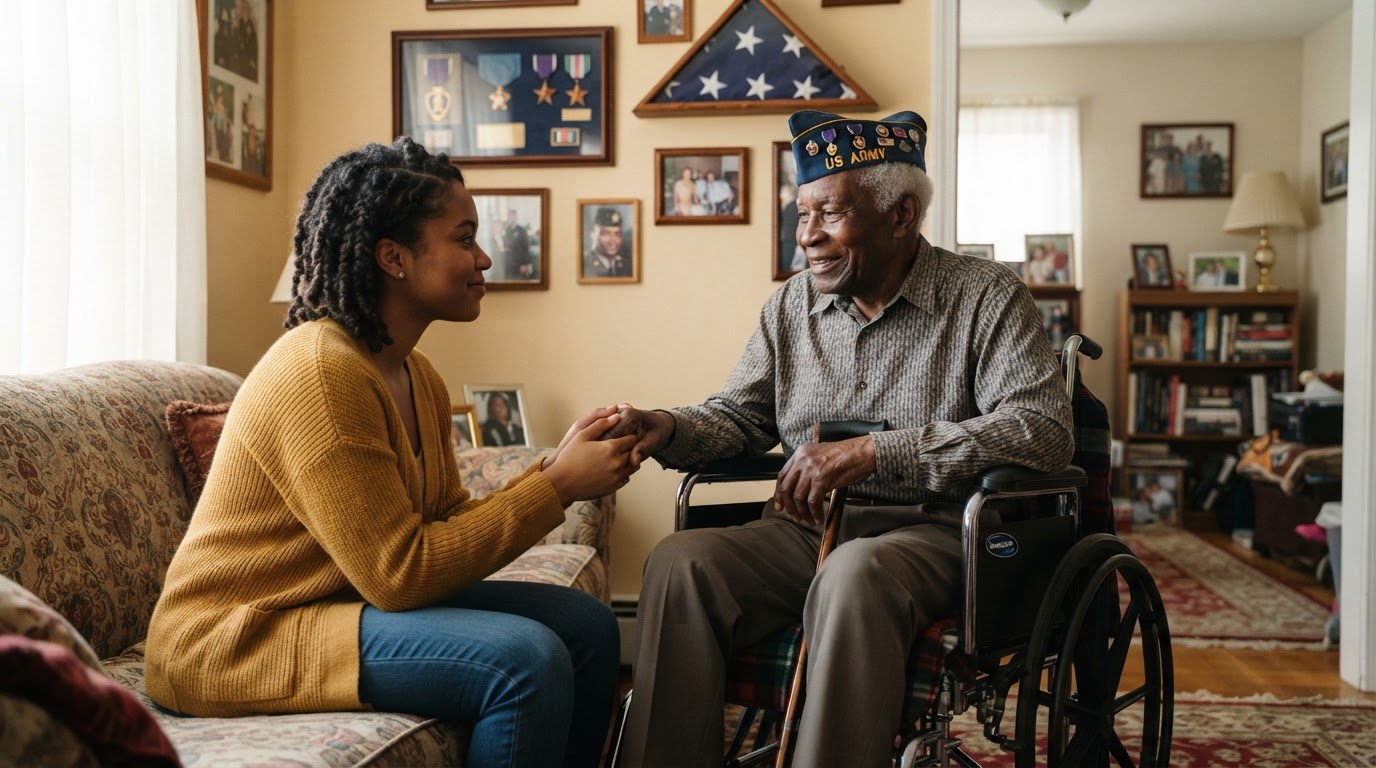
Veterans and surviving spouses may qualify for the VA Aid & Attendance benefit, which can help pay for in-home care. Here is how it works and who is eligible.
Medicaid can cover in-home care for eligible seniors and adults with disabilities in Washington, but the rules and waivers can be confusing. Here is a plain-English guide for families.

Medicare can cover skilled nursing, therapy, and home health aide visits at home, but the rules are specific. Here's what families in Washington need to know.
Why familiar surroundings matter in dementia care, how support changes across stages, and how respite protects the family caregiver. A clinical guide for families.
Families facing progressing dementia wrestle with whether to keep care at home or move to a memory care facility. This guide walks through the real trade-offs.
Late-day confusion and agitation affect many people with dementia. Understanding what causes sundowning and how to respond can bring calm to your evenings.
Dementia changes how you communicate, plan, and cope. This guide offers practical strategies for families navigating memory care at home.

How home health prevents 30-day readmissions after CHF, COPD, stroke, or surgery — and what the first 72 hours at home should look like for families in Auburn, Lakewood, and Pierce County.

Recovering from a stroke at home is possible with the right therapy, safety setup, and support. This guide walks families through the first months and when to ask for help.
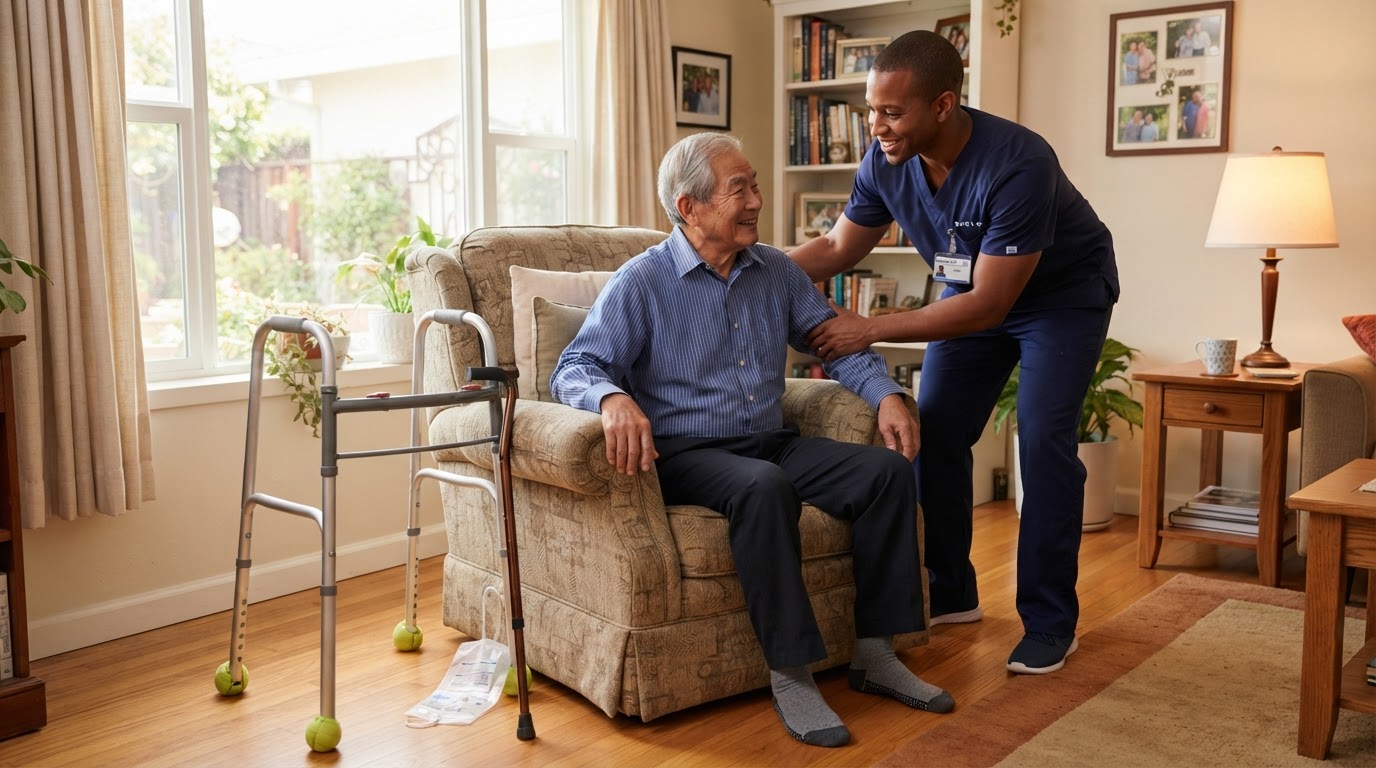
Leaving the hospital without a concrete home care plan is a top trigger for readmissions. Here is the exact checklist to run through with your discharge planner before going home.

Many families confuse home health, palliative care, and hospice. Here is a clear, compassionate guide to understanding which level of care fits your family's current medical reality.
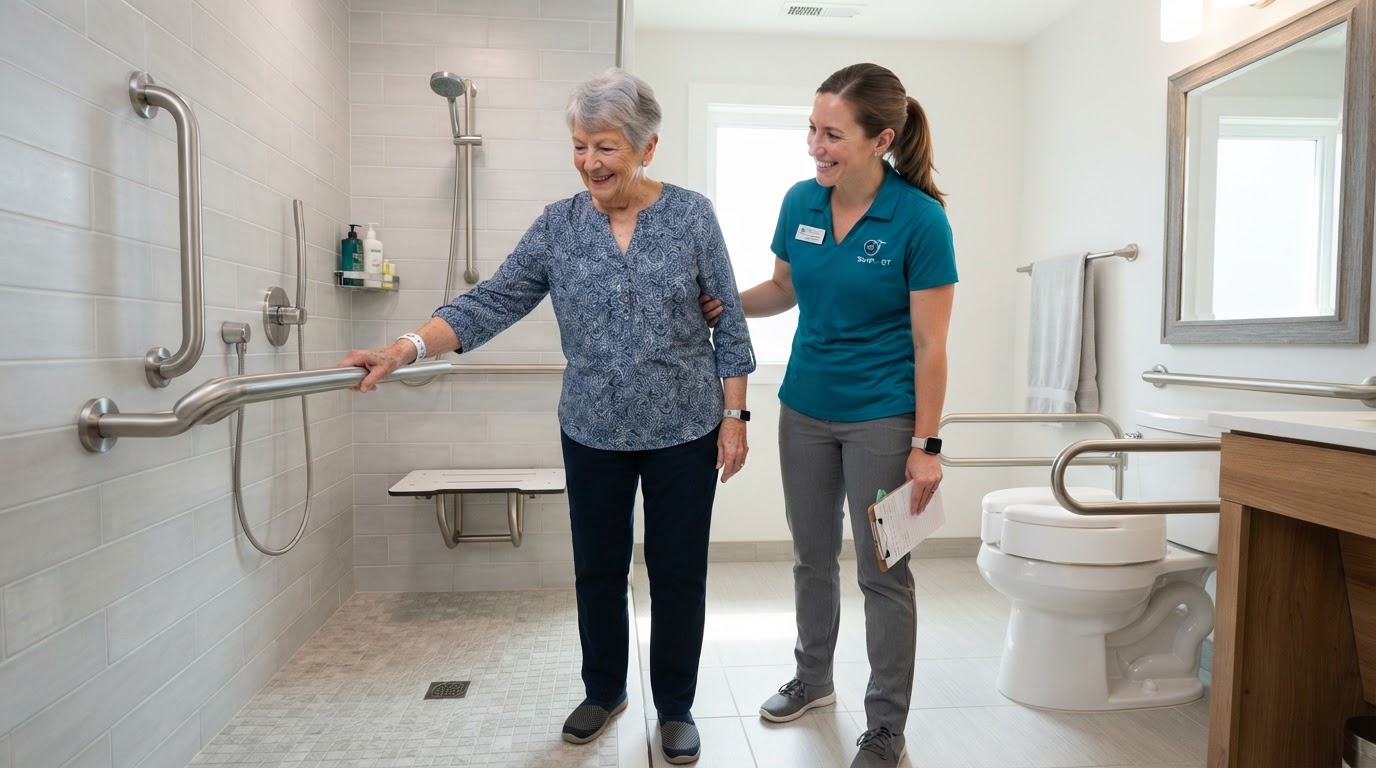
Over 90% of seniors prefer to age in place at home. Here is a practical room-by-room home modification checklist, plus local Pierce County and Washington State home repair assistance programs.

Parkinson's disease presents unique challenges that evolve over time. Learn how specialized in-home care, physical therapy, and daily strategies help maintain independence.
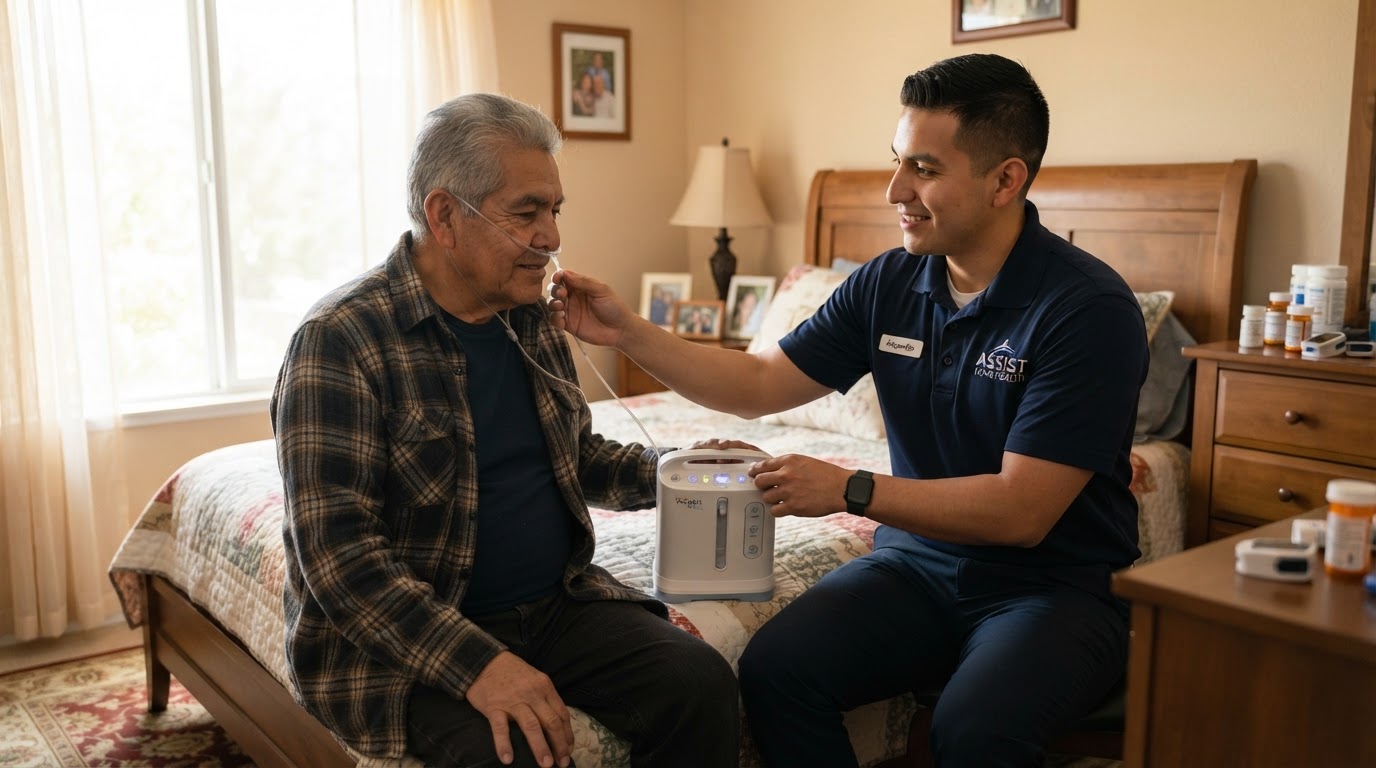
Heart failure and COPD are manageable at home with the right monitoring, medication routine, and education. Here is how skilled home health keeps patients stable and out of the hospital.

Diabetes care at home goes far beyond checking blood sugar. This guide covers daily routines, foot care, wound prevention, and when to call in skilled nursing support.

Juggling several diagnoses and a handful of prescriptions is one of the hardest parts of family caregiving. Here is how to keep medications organized, safe, and effective.
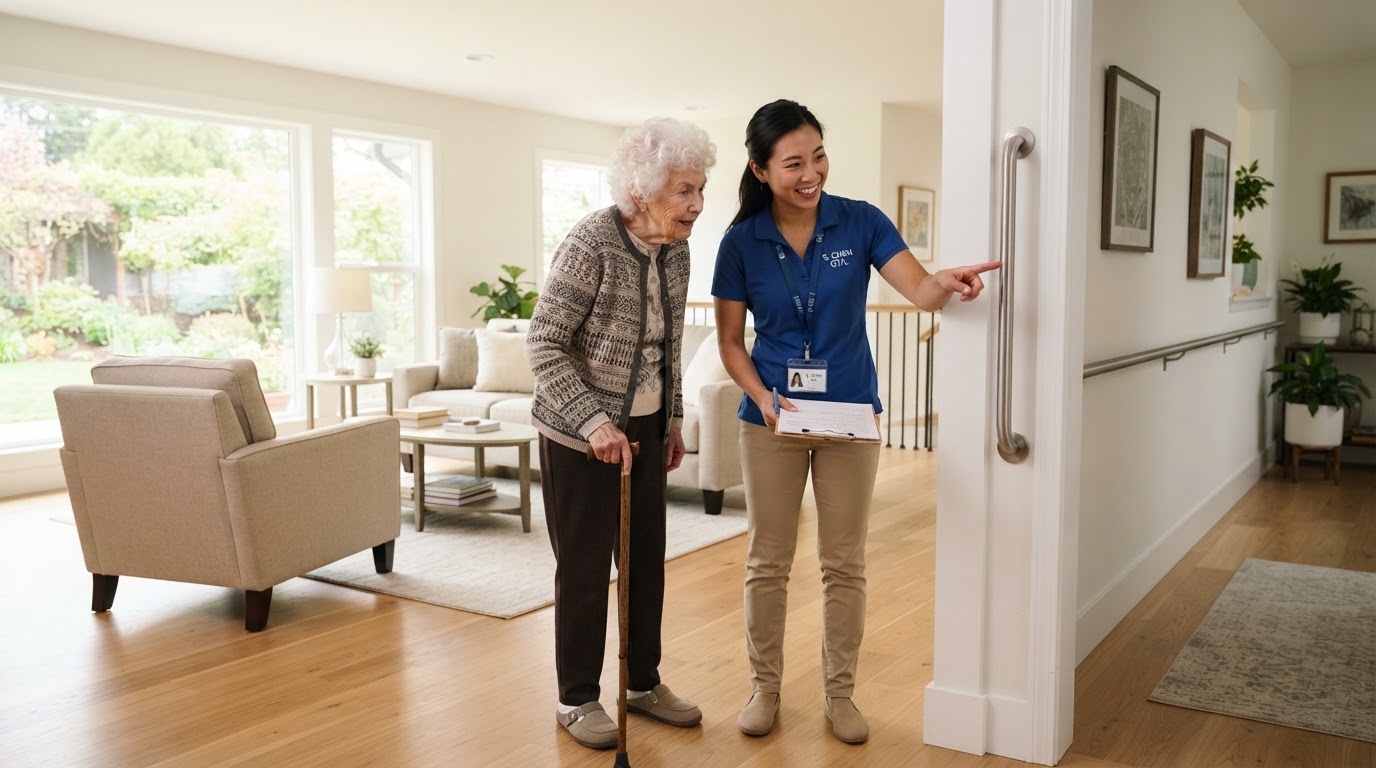
Falls are the leading cause of injury among older adults. Use this room-by-room guide to make your loved one's home safer and keep them living independently longer.
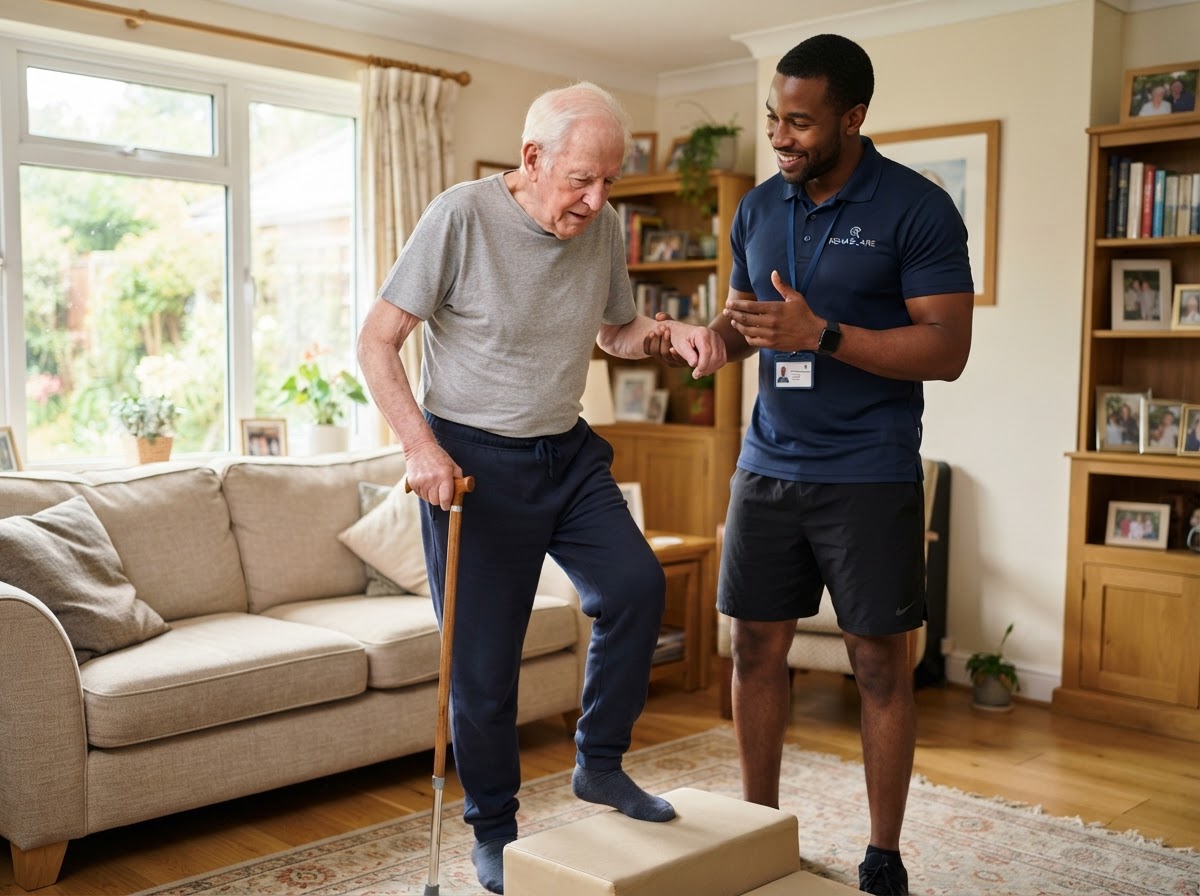
The first weeks home after surgery are critical. Use this checklist to prepare your home, manage medications, and support a smooth recovery.

Convincing a proud parent to accept in-home care can be one of the hardest conversations a family has. These strategies can help you approach it with respect and success.
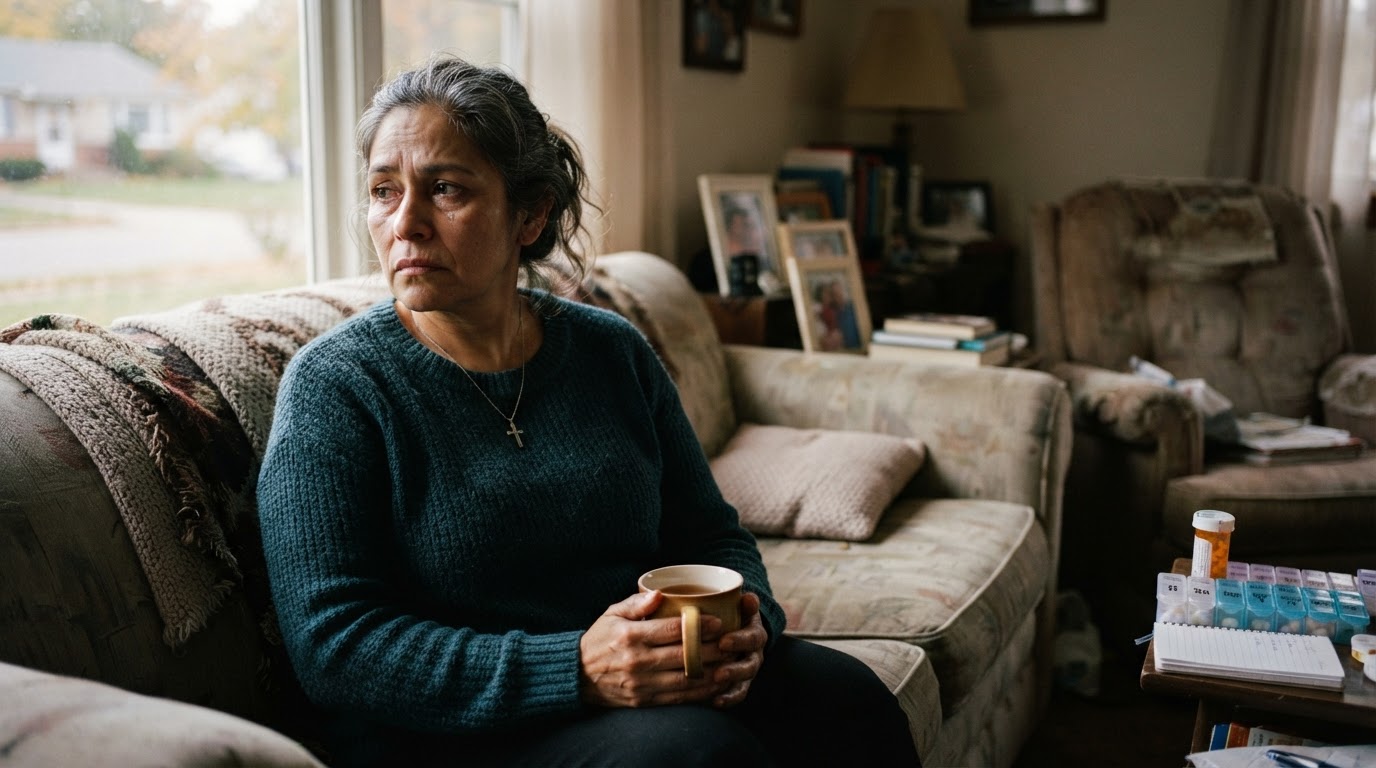
Caring for a loved one is rewarding and exhausting. Learn the warning signs of caregiver burnout and why asking for help is part of good care, not a failure.

Recognizing the early signs that a loved one needs professional help at home can prevent crises and ease the burden on family caregivers.

Caring for someone with Alzheimer's is exhausting. Here are the respite care options available to families in Pierce County and how to access them.
You need a real break, but finding trustworthy relief care feels overwhelming. This step-by-step guide helps family caregivers find, arrange, and afford respite.
Join other Puyallup and Pierce County families receiving practical tips on home health care, dementia, recovery, and Medicare. Free, no obligation, unsubscribe anytime.
Our care advisors answer questions and build plans every day, free and with no obligation.