
Stroke Recovery at Home: What Families Should Expect
Recovering from a stroke at home is possible with the right therapy, safety setup, and support. This guide walks families through the first months and when to ask for help.
A stroke changes lives in an instant, and the path home after rehabilitation is often where the longest, hardest part of recovery begins. Families are usually sent home with a therapy schedule, a list of medications, and a mix of hope and fear. Knowing what to expect in the weeks and months ahead, and what kind of support is available, makes the journey less overwhelming and gives your loved one the best chance at regaining independence.
The three therapies that drive recovery
Stroke recovery typically involves three types of therapy, each targeting a different area of function. The brain's ability to rewire itself, called neuroplasticity, means recovery can continue for months or even years, but it requires consistent, repeated practice.
- Physical therapy rebuilds strength, balance, and the ability to walk and move safely.
- Occupational therapy focuses on daily activities: dressing, bathing, cooking, and using the bathroom independently.
- Speech-language therapy addresses both communication and swallowing, since stroke can affect the ability to speak clearly or swallow safely.
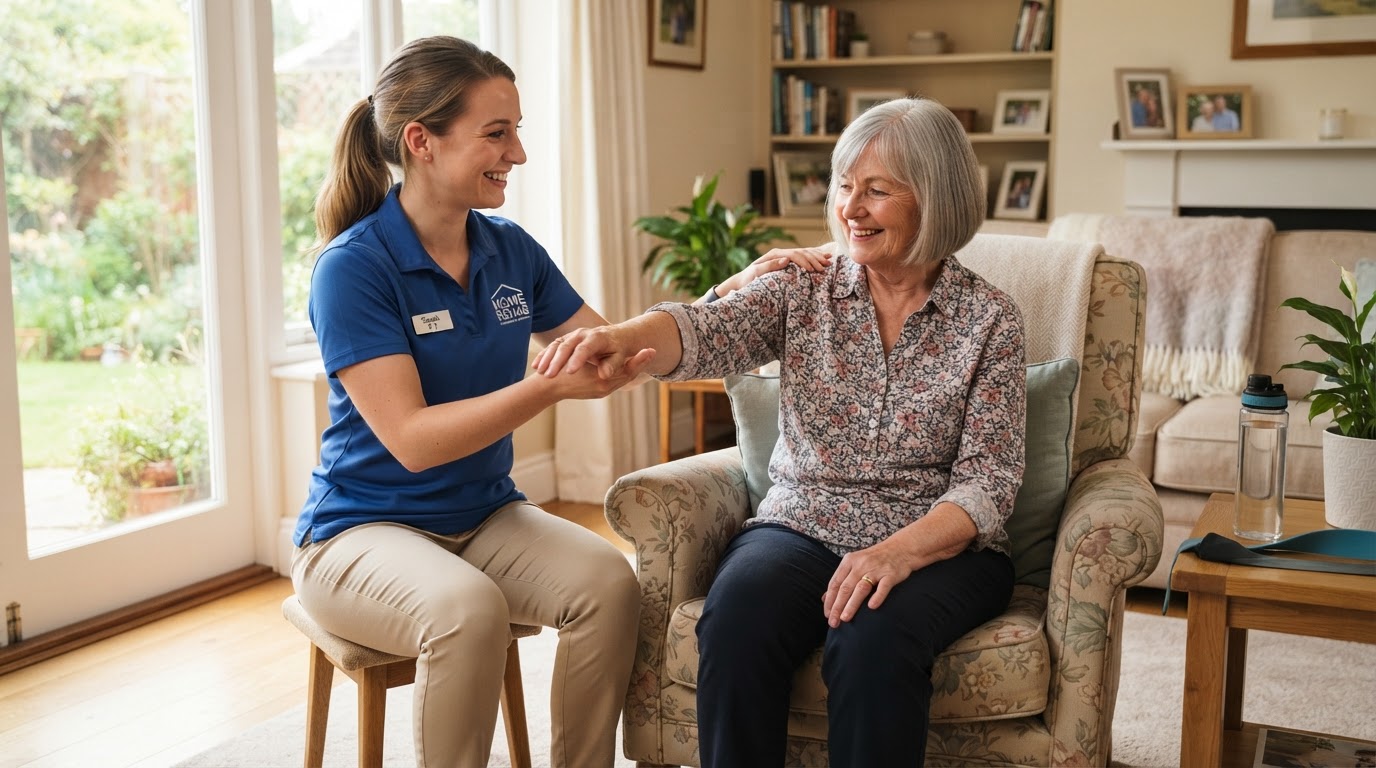
For patients who are homebound, these therapies can come to the home as part of a Medicare-covered home health episode, avoiding the strain of travel to an outpatient clinic.
Making the home safe and usable
After a stroke, the home that was once effortless to navigate can feel full of obstacles. Weakness on one side of the body, balance problems, and fatigue mean the environment has to adapt. An occupational therapist can assess the home and recommend changes that protect safety and dignity.
- Install grab bars in the bathroom and a shower chair or bench for seated bathing.
- Clear pathways and remove throw rugs to prevent falls, especially with one-sided weakness.
- Rearrange frequently used items to be reachable without bending or stretching.
- Consider a bedroom on the main floor if stairs are difficult.
- Use adaptive tools like plate guards, long-handled reachers, and easy-grip utensils.
Medication management and prevention
After a stroke, preventing a second one is a top priority. That usually means blood pressure medication, blood thinners, cholesterol medication, and sometimes diabetes management. The schedule can be complex, and a missed dose of a blood thinner or blood pressure pill carries real risk. A skilled nurse can set up a medication system, monitor for side effects, and coordinate refills with the physician.
Swallowing and nutrition
Stroke can weaken the muscles used in swallowing, a condition called dysphagia. This is more than an inconvenience; it can lead to choking, poor nutrition, or aspiration pneumonia. A speech-language pathologist can evaluate swallowing and recommend safe food textures and techniques. Watch for coughing during meals, a wet-sounding voice, or weight loss, and report these to the care team.
Supporting the whole person
Recovery is not only physical. Many stroke survivors experience frustration, grief, or depression as they adjust to changes in independence and identity. Encourage patience and celebrate small wins. Consistent, familiar caregivers can reduce anxiety and provide the steady encouragement that recovery requires.
Stroke recovery is a marathon, and no family should run it alone. A free consultation can help you understand what in-home therapy, nursing, and personal care support is available, what insurance may cover, and how to build a plan that supports both your loved one's recovery and your family's wellbeing.
Medically reviewed by a Blooming Beacon Registered Nurse (RN)
Last reviewed September 25, 2026. This article is for general education and is not a substitute for medical advice. For care specific to your loved one, call (253) 348-6004.
Blooming Beacon Care Team
The Blooming Beacon Care Team includes registered nurses, licensed practical nurses, and certified caregivers dedicated to helping families navigate home health care with confidence and compassion. Every article is written to be practical, honest, and grounded in the real needs of families across Pierce and South King County.